
Article · 13 Jan 2025
Guidelines for Starting a Sustainable Fashion Brand
Sustainability is one of the most overused words in fashion. But behind the buzzword is a real set of decisions — about materials, manufacturing, labour, and design — that determine whether a garment is genuinely better for the world or just marketed that way. Here's what it actually takes to produce and sell more sustainable clothing, from first fibre to final sale.
It Starts With What You Use
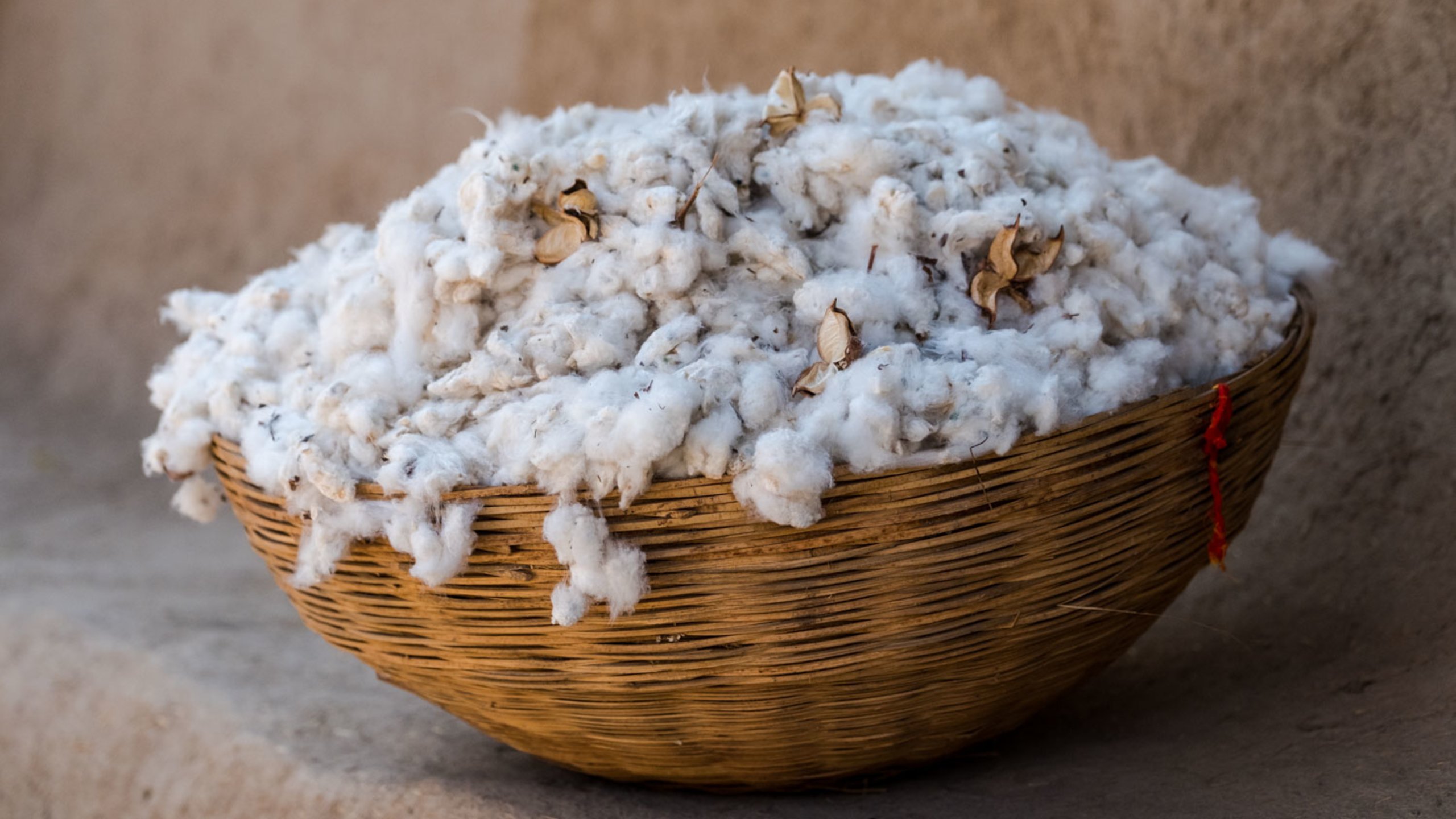
The most visible sustainability choice is material. Organic cotton — grown without synthetic pesticides or fertilisers — is a significant step up from conventional cotton, which is one of the most chemically intensive crops in the world. Recycled materials, whether recycled polyester from plastic bottles or reclaimed cotton fibres, reduce the demand for virgin resources. Alternatives like bamboo and hemp grow quickly, require little water, and need minimal chemical input.
But material choice isn’t just about what sounds good on a label. It’s about understanding the full impact of a fibre — how it’s grown or produced, how it behaves in a blend, and critically, what happens to it at the end of its life. A material that’s sustainable to produce but impossible to recycle is only part of the solution.
How It’s Made Matters Just as Much
Even the most sustainable raw material can be undermined by an unsustainable manufacturing process. Textile production is historically one of the most water and energy-intensive industries in the world. Responsible manufacturers are addressing this through closed-loop water systems that recycle and reuse water throughout the production process, renewable energy sources powering machinery and facilities, and eco-friendly dyes that reduce the toxic load released into waterways.
None of these are radical innovations — they’re available choices. The question is whether brands are willing to pay for them and demand them from their suppliers.
Know Your Supply Chain
A garment’s environmental footprint doesn’t begin at the factory — it begins wherever the raw materials are sourced. Long, opaque supply chains spanning multiple continents accumulate carbon at every step. European brands that source materials locally and manufacture closer to home can significantly reduce transport emissions, while also maintaining greater visibility and control over sustainability standards throughout the chain.
Working with suppliers who hold their own sustainability credentials matters too. A brand’s commitments are only as strong as the weakest link in its supply chain.
Packaging and Getting It to the Customer
The product itself often gets all the sustainability attention, but packaging and distribution carry their own footprint. Minimising packaging, choosing recycled or biodegradable materials, and designing efficient distribution routes all contribute. For sock brands selling online, this means rethinking the plastic wrap, the tissue paper, the cardboard inserts — and asking whether each element is necessary, and if so, whether it can be better.
Fair Labour Is Part of Sustainability
Sustainability isn’t only environmental. A garment produced at the expense of the people who made it isn’t sustainable in any meaningful sense. Fair wages, safe working conditions, and genuine adherence to labour laws are non-negotiable components of responsible production — and increasingly, consumers and regulators expect brands to demonstrate this, not just claim it.
European manufacturing carries a natural advantage here, given stronger labour protections and easier auditability. But wherever production takes place, transparency about working conditions is essential.
Design for the Long Game
One of the highest-leverage sustainability decisions a brand can make is designing products that last. A sock that holds its shape, resists wear, and maintains its elasticity through hundreds of washes displaces far more waste than one that falls apart in a season. Durability is sustainability.
Beyond longevity, designing with end-of-life in mind — choosing fibre combinations that are easier to recycle, avoiding problematic coatings, and building take-back into the product model — means the sock has a responsible destination when it does eventually wear out.
Get Certified — and Mean It
Third-party certifications exist precisely because consumer trust in brand self-reporting is limited. Key standards to look for and pursue include GOTS (Global Organic Textile Standard) for organic fibre products, Fair Trade certification for supply chain ethics, and Oeko-Tex for textiles tested free from harmful substances. These certifications require independent auditing and ongoing compliance — they’re not bought, they’re earned.
For brands, pursuing certification is a signal of genuine commitment. For consumers, it’s one of the most reliable ways to cut through the noise.
Bring Your Customers Along
Sustainable production only goes so far if consumers don’t know how to maintain and eventually dispose of the product responsibly. How a garment is washed affects its lifespan and its environmental impact — lower temperatures, gentler cycles, and air drying all extend the life of a sock and reduce energy use. And knowing where to send it at the end of its life — textile waste, not the bin — completes the loop.
Brands that educate their customers aren’t just doing good — they’re building loyalty with people who care, and demonstrating that their sustainability commitments run deeper than the marketing department.
The Bottom Line
Sustainable clothing isn’t a single decision. It’s a series of choices made at every stage — from the field where the fibre grows to the moment a customer decides what to do with a worn-out pair. No brand gets every one of those choices perfectly right from day one. But the direction of travel matters, and transparency about where you are on that journey matters just as much as where you’re trying to get to.